April 2, 2026
Maintaining a well-paved driveway is crucial for both the aesthetic appeal and functional reliability of your home. A clean, smooth driveway creates a welcoming entrance while ensuring safe access to your property. However, homeowners often face challenges in determining when it's time to repave their asphalt driveway. Constant wear and tear from weather conditions, heavy vehicles, and natural aging can lead to various issues. Knowing when to hire an asphalt driveway contractor can help protect your investment and enhance your home's curb appeal. Here are a few helpful tips to keep in mind.
1. Visible Cracks and Potholes
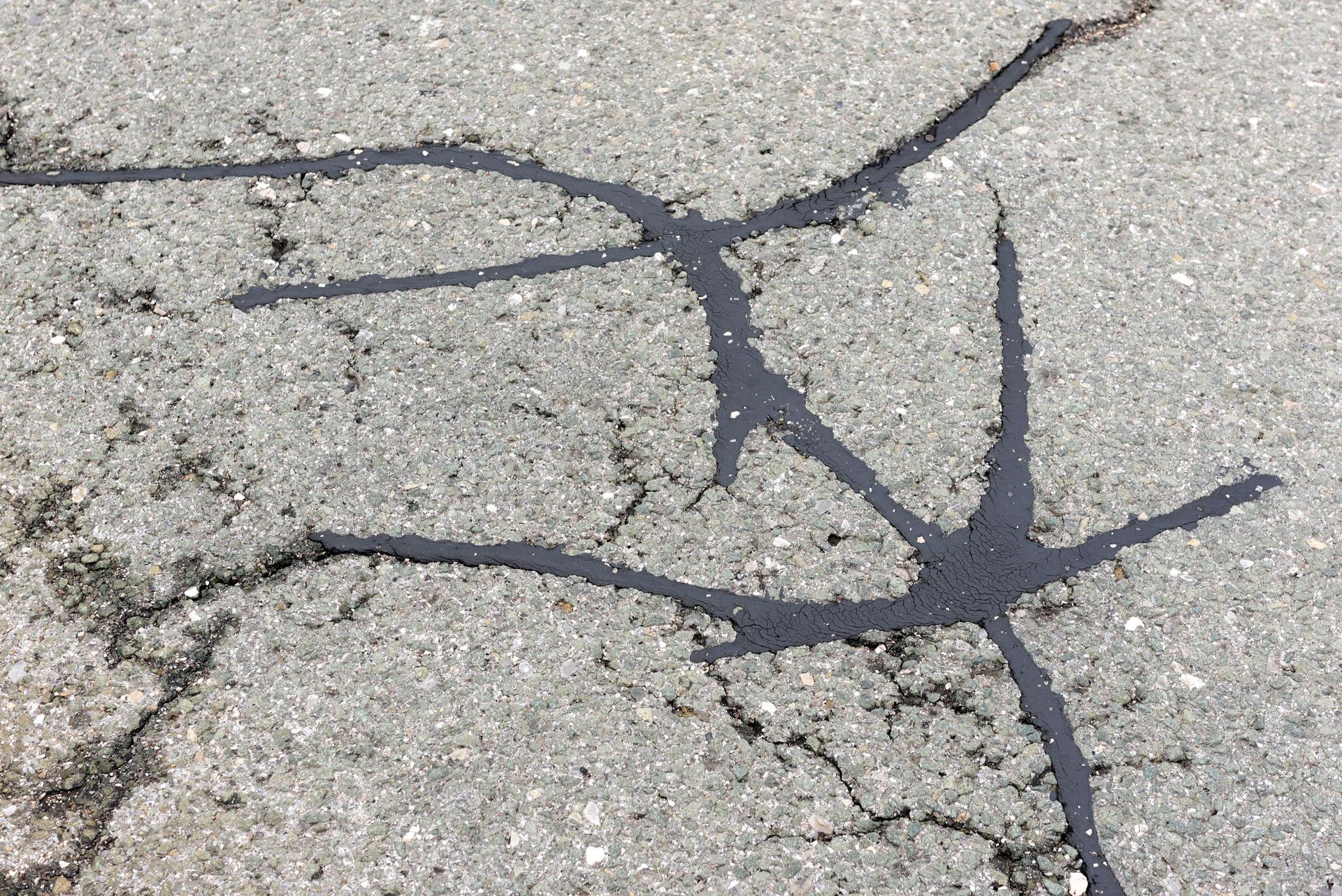
Visible cracks on your asphalt driveway are more than just an eyesore; they can be the gateway to more extensive damage. Cracks often start small, so it's crucial to assess their severity before they escalate. Both minor surface cracks and major structural fissures can allow water to seep in, compromising the integrity of the driveway. Early detection and assessment are essential, as neglecting small cracks can lead to more significant issues, including potholes and foundational damage. Hiring an asphalt driveway contractor o evaluate the condition of these cracks can save time and money in the long run.
Potholes are another clear indication that your driveway needs attention. When left ignored, these depressions continue to grow, affecting the safety and appearance of your driveway. They can also lead to damage to your vehicle's tires and suspension. Furthermore, potholes tend to accumulate water, especially during rainy seasons, exacerbating damage by expanding under freezing conditions. Professional asphalt contractors can address potholes efficiently, preventing further deterioration and potentially costly repairs.
The formation of cracks in your asphalt driveway can be attributed to a variety of factors, with weather and usage being top contributors. Traffic load, specifically from heavy vehicles, can stress the asphalt surface, causing it to crack. Additionally, temperature fluctuations can cause the asphalt to expand and contract, leading to the eventual cracking of the surface. Other contributing factors include poor drainage, inadequate installation, or subpar materials used in the initial paving. Identifying and understanding these causes can help implement more effective preventative and corrective measures.
2. Noticeable Drainage Problems
Effective drainage is a critical component of a well-maintained driveway. Signs of poor drainage include pooling water, especially after rains, and the formation of mini-lakes at various points on your driveway. These water accumulations not only compromise the aesthetics of your driveway but also accelerate its degradation. Puddles can seep into cracks, leading to potholes as the underlying soil loses its structure. If you notice any of these signs, it may be time to consult with a professional asphalt contractor.
Standing water is an asphalt driveway's worst enemy. Prolonged exposure to water seeps into the asphalt, causing it to weaken and eventually crack or crumble. When temperatures drop, water within these small cracks can freeze, expanding in the process and causing further damage to the surface structure. During warmer months, pooled water can foster algae and mold growth, further deteriorating the asphalt and its underlying materials.
Drainage issues can stem from a range of causes, each requiring different approaches for resolution. A common cause is an insufficient slope or grade in the driveway design, which fails to divert water away effectively. Blocked or broken drainage systems can also impede water flow, leading to pooling. Additionally, shifts in the ground can alter water drainage patterns over time.
3. Obvious Fading and Discoloration
Asphalt driveways are prone to fading and discoloration over time, often resulting from environmental factors. Ultraviolet (UV) rays from the sun are significant contributors, breaking down the asphalt binder and causing the surface to bleach. Chemical spills from vehicles or de-icing agents can also lead to discoloration, affecting both the aesthetics and durability of the driveway. Furthermore, natural wear and tear from foot and vehicle traffic can accelerate the fading process.
UV rays are among the most damaging elements affecting asphalt driveways. Prolonged exposure to sunlight causes the asphalt to dry out and oxidize, leading to surface brittleness. As the surface becomes more susceptible to cracking and degradation, UV damage often acts as a precursor to further structural issues. Fading and oxidation by the sun also diminish the visual appeal, turning a once black, lustrous surface into a dull gray.
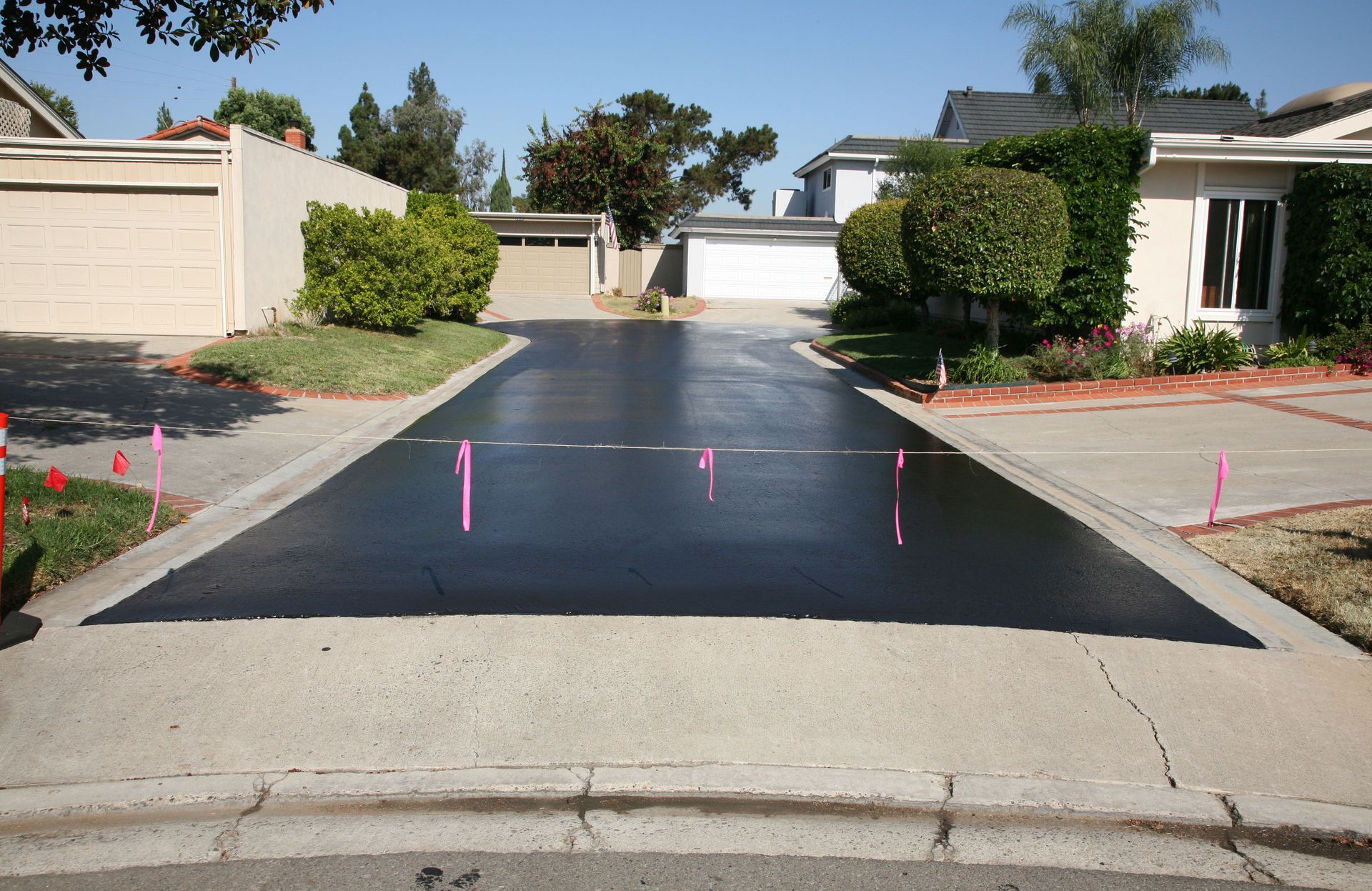
Professional repaving from an asphalt driveway contractor offers numerous long-term benefits, both functional and aesthetic. By rectifying fading, homeowners restore their driveway's visual appeal, enhancing curb appeal and potentially increasing property value. Additionally, repaving mitigates risks associated with environmental damage, preventing costly repairs and premature replacement. Investing in professional services ensures that driveways are crafted to withstand weather fluctuations and high-traffic conditions. According to Cognitiveresearchmarket.com, North America held the major market share in asphalt paving for more than 40% of the global revenue, highlighting the region's reliance on quality asphalt solutions.
4. Aesthetic Surface Deterioration
Surface deterioration on an asphalt driveway is often subtle initially but can escalate rapidly if left unchecked. Signs of wear and tear include small cracks, scuff marks, and surface roughening, all indicative of the material breaking down. Continuous exposure to traffic, weather, and time accelerates these imperfections. Monitoring the driveway surface regularly ensures early identification of these signs.
The seasonal changes between winter and summer can have drastic effects on asphalt driveways. In winter, freezing temperatures can cause water within the cracks to expand, exacerbating the damage. Conversely, the summer's heat can cause the asphalt to become pliable, with the softened material more susceptible to wear. These cyclical conditions create ongoing stress for the driveway surface, accelerating deterioration.
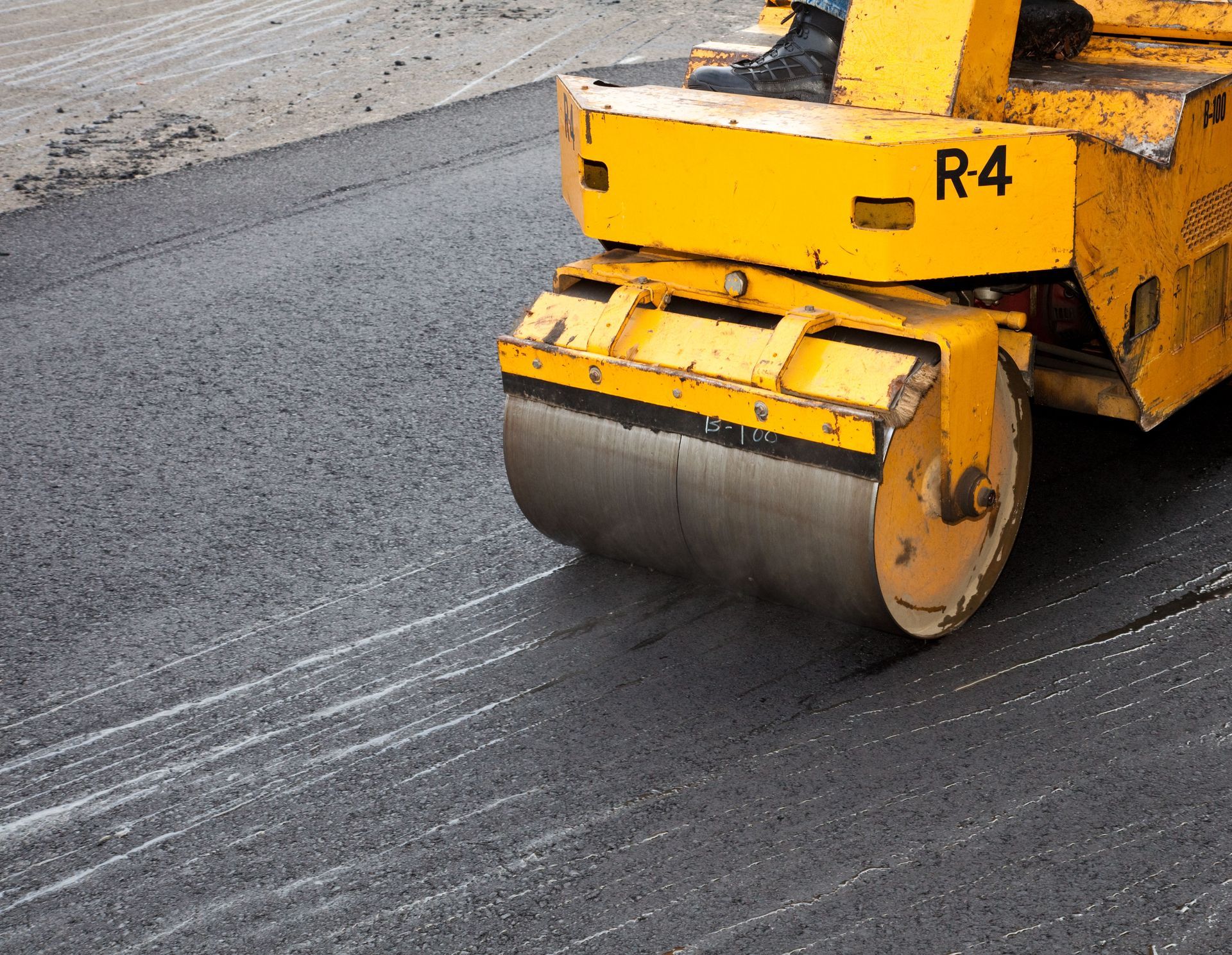
When dealing with surface deterioration, homeowners must decide between routine maintenance and complete resurfacing. Routine maintenance, such as sealcoating and crack filling, can address minor issues effectively and prolong the life of the driveway. However, when deterioration reaches a certain threshold, complete resurfacing becomes a necessity. Resurfacing involves laying a new asphalt layer over the existing one, providing a fresh start and enhanced durability, but this process is best handled by a professional asphalt driveway contractor.
5. Discernible Structural Integrity Issues
The foundation of a driveway plays a crucial role in its overall stability and longevity. Indicators of compromised structural integrity may include significant settling, large cracks, and uneven surfaces. These issues are often accompanied by persistent drainage problems or frequent potholes. Identifying these signs early on can prevent further deterioration and damage to vehicles. Professional assessment is necessary to determine the extent of foundational issues and prescribe the appropriate repair strategy.
Extreme weather conditions can negatively impact driveway stability, exacerbating foundational problems. Heavy rainfalls can lead to soil erosion beneath the driveway, destabilizing the entire structure. Frost heave during cold months can push up sections of the driveway, creating an uneven surface and further stressing the foundation. Similarly, extreme heat can dry out the ground, contributing to structural cracks. Awareness of these risks allows homeowners to take preemptive measures, such as employing proper drainage systems and scheduling regular maintenance.
Structural damage to a driveway poses several risks and hazards, impacting both property values and safety. Increased liability risks arise from uneven surfaces, which can lead to trips and falls by residents and visitors. Vehicles driving over compromised surfaces can experience damage, affecting suspension, alignment, and tires. Structurally unsound driveways also diminish curb appeal, potentially lowering the market value of the property.
The key indicators that suggest the need for a professional asphalt contractor include visible cracks and potholes, drainage issues, fading and discoloration, and previous repair failures. Timely and professional intervention not only addresses these challenges effectively but also helps preserve the structural integrity and visual appeal of your driveway. When you need professional help from an
asphalt driveway contractor, reach out to Warner Paving & Excavating. Our expertise and friendly staff are here to help you maintain your driveway for years to come.